
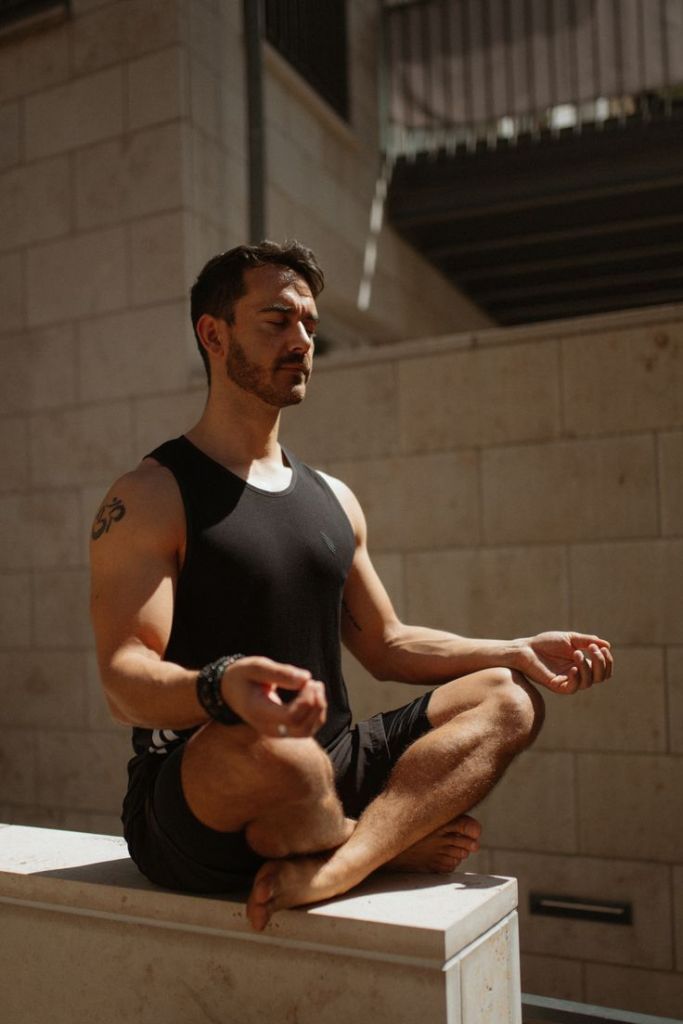
With statistics indicating that men in the UK are three times more likely to die by suicide (Mental health UK, 2024), we are still fighting an uphill battle when it comes to men dealing with their negative emotions. Studies on yoga for men, clearly point to the positive mental benefits experienced when dealing with psychological issues. A paper by Borotikar, et al. (2023), showed how even after a 14-week yoga program, yoga can bring about a transformation, and improved psychological well-being for men in all six measures of Ryff’s scale of psychological well-being: autonomy, environmental mastery, personal growth, positive relations with others, purpose in life, and self-acceptance.
However, despite these positive findings, it has also been acknowledged that uptake of yoga with men lags far behind women. There are potentially several reasons for this, from my own MSc research on the connection between mind and body in yoga, and speaking with men who practice yoga, have tried to, or are yet to try, clear themes were identified, including;
Time and accessibility – (not just limited to men) but locating a nearby yoga class in the first place, then finding the time and money to attend
Being a minority – discomfort and feelings of self-consciousness arising from being the only or one of the few men in class
Fear of not being ‘good’ – the limiting belief of ‘I’m not flexible so I can’t’ rather than flexibility becoming a by product
Lack of immediate results – similar to above, but ‘progress’ in yoga cannot be as easily measured as in other exercises
Yoga stereotypes – images in marketing, popular culture and social media can perpetuate the idea that yoga is feminine
Although the original Yogis in India were all men, this last reason has become a real barrier in preventing men from starting yoga in the first place, as it conflicts with societal expectations of masculinity and masculine ideals Cagas, et.al. (2021). This was something I also found in my own research.
“The first time I was the only man in the class, I’m strong mentally and very open, but even for me it’s not easy to overcome conventions of society, and this is difficult for a lot of men. It took about six classes for me to get over it”
For the men I spoke to who had adopted a yoga practice, they were initially seeking a more functional benefit of stretching to support their other training such as lifting and boxing. Or older men who needed recovery from surgery or injury. It was only after attending classes regularly that they started to benefit from becoming more still in their mind and gained an improved sense of well-being. They expressed how yoga had become more important to them over time, and how it helped them to deal with stress in their work and personal lives.
“It’s one hour for me. To escape from your thinking, your job. I know the difference before and after because I feel very relaxed, it is like recharging your battery”
“At first, I had lots of thoughts in my head, my brain was darting all around and it was very difficult to focus. But over time, I’ve noticed that’s less now, there’s less erratic thoughts going on”
So how can more men be encouraged to take up yoga given the evidence of positive mental health benefits it can provide to them? It may help to look at how yoga is currently marketed and what needs to change. Themed classes such as Yoga for Lifting by Gymbox is the one yoga class where men outnumber women. Can this approach be taken further? Appealing to men in a targeted way? Can sports brands take note? Can men in leadership positions lead by example?
What do you think we as a community could be doing or change?
 EVOLVE WITH AOIFE
Leave a comment